2025
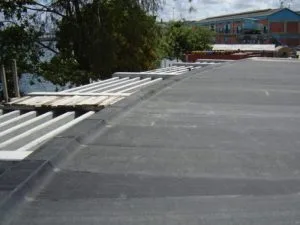
Rubber Waterproofing Cost vs Value: Is Rubberised Membrane Worth the Investment?
Waterproofing is rarely the most exciting part of a construction or renovation project, yet it is one of the most critical. Water damage does not usually arrive dramatically; it creeps in slowly, weakening structures, damaging finishes, and quietly inflating repair costs. This is why many property owners are now reconsidering cheaper, short-term waterproofing solutions.
One option gaining serious attention is the rubber-based waterproof membrane, praised for its flexibility and longevity. However, with a higher upfront cost than traditional methods, a common question arises: is rubberised waterproofing genuinely worth the investment, or is it an expensive upgrade with limited returns? This blog takes a clear, practical look at cost versus value, without marketing hype.
What is Rubber Waterproofing and Why Is It Different?
Rubber waterproofing systems are designed to create a continuous, seamless barrier that protects structures from water ingress while adapting to natural building movement. Unlike rigid coatings, rubberised membranes stretch and recover without cracking, even under stress.
Rubber membrane waterproofing stands out because it solves a problem many traditional systems ignore. Thermal expansion, soil settlement, vibrations, and ageing all cause micro-movement, and rigid materials eventually fall under this pressure.
Key characteristics that set rubber waterproofing apart include:
- High elasticity allows the membrane to stretch and return to its original shape, reducing the risk of cracks forming as the structure shifts over time.
- Strong adhesion to a wide range of surfaces, including concrete, masonry, and metal, ensuring consistent protection across different applications.
- Seamless coverage that eliminates weak points, which are often responsible for leaks in sheet-based or jointed systems.
This flexibility is central to understanding its long-term value.
Understanding the True Cost of Rubber Waterproofing
At first glance, rubberised membranes often appear more expensive than cementitious coatings or bituminous layers. However, focusing only on the material price can be misleading.
The total cost of rubber waterproofing usually reflects:
- Higher-grade materials engineered for durability and elasticity, which directly influence how long the system remains effective without degradation.
- Thorough surface preparation requirements ensure the membrane bonds properly and performs consistently over time.
- Skilled labour and controlled application processes reduce the likelihood of early failure or uneven coverage.
While the initial investment is higher, these costs are tied directly to performance, not branding.
Value Over Time: Why Lifespan Changes the Cost Equation
The real value of rubber waterproofing becomes evident when viewed over its whole lifecycle rather than the first invoice. Many conventional systems require frequent repairs, patching, or complete replacement every few years.
Long-term value benefits include:
- Significantly reduced maintenance and repair expenses, as rubberised membranes retain flexibility and adhesion for extended periods.
- Lower risk of internal water damage, protecting insulation, finishes, electrical systems, and structural components.
- Improved asset value and buyer confidence, particularly for properties where waterproofing history matters.
Over time, fewer failures mean fewer costs, simple as that.
Foundation Protection: Where Rubber Waterproofing Delivers Maximum Impact
Below-ground areas are among the most vulnerable parts of any structure. Moisture pressure, soil movement, and hidden cracks create constant challenges.
A foundation waterproofing membrane made from rubberised material provides a flexible shield that adapts to these conditions instead of resisting them rigidly.
Its advantages in foundation applications include:
- Ability to bridge hairline cracks that develop as buildings settle, maintaining protection without requiring immediate repair.
- Resistance to hydrostatic pressure prevents groundwater from forcing its way through vulnerable points.
- Long-term compatibility with soil conditions and moisture cycles reduces the likelihood of degradation over time.
This makes rubber systems particularly valuable where access for future repairs is limited.
Sun, Heat, and Exposure: Performance in Open Areas
Not all waterproofing challenges occur underground. Roofs, terraces, balconies, and podium slabs face constant exposure to sunlight and temperature fluctuations.
A UV-resistant waterproof membrane formulated with rubber technology maintains elasticity even after prolonged exposure, unlike materials that harden and crack under UV stress.
This performance advantage matters because:
- UV degradation is one of the leading causes of waterproofing failure in exposed areas, often within just a few years.
- Thermal expansion and contraction are absorbed by the membrane, reducing surface cracking and water penetration.
- Longer replacement cycles mean lower lifetime costs, especially on large or hard-to-access surfaces.
In exposed environments, resilience directly translates to value.
Cost vs Value Comparison at a Glance
| Factor | Rubberised Waterproofing | Conventional Waterproofing |
| Initial Cost | Higher upfront investment reflecting material quality | Lower initial expense but limited durability |
| Flexibility | Highly flexible and movement-tolerant | Often rigid and crack-prone |
| Maintenance | Minimal long-term intervention required | Frequent repairs and reapplication |
| Lifespan | Designed for decades of performance | Short to medium-term effectiveness |
| Overall Value | Strong return on investment over time | Higher lifetime cost despite lower start |
Is Rubber Waterproofing “Too Much” for Smaller Projects?
A common counterargument is that rubberised systems are excessive for residential or small-scale projects. While budget constraints are real, water damage rarely respects scale.
Important considerations include:
- Small leaks can cause disproportionately large damage, particularly to interiors and electrical systems.
- Climate unpredictability is increasing, exposing even modest structures to heavier rainfall and temperature extremes.
- Repair costs often exceed preventative investment, especially once finishes and furnishings are affected.
In many cases, “over-engineering” simply means planning responsibly.
Installation Quality: The Factor That Protects Your Investment
Even the most advanced waterproofing system can underperform or fail entirely if installation standards are compromised. Rubber membranes, while highly durable and flexible, are precision-based systems that depend heavily on correct application techniques. The material itself is only half the equation; the skill and experience of the installer complete the system.
Professional installation ensures that the membrane performs as designed, rather than as a best-case scenario. Every stage, from surface preparation to final curing, directly influences long-term reliability and cost-effectiveness.
Professional installation ensures:
- Consistent membrane thickness across the entire surface, preventing thin spots or uneven coverage that can later develop into leakage points under pressure or movement.
- Meticulous detailing around joints, corners, edges, and penetrations, which are statistically the most common failure zones in waterproofing systems.
- Proper surface preparation before application, ensuring strong adhesion and preventing premature peeling, blistering, or delamination.
- Correct curing time and protective layering, allowing the membrane to achieve its intended elasticity, strength, and long-term performance.
Quality installation also reduces the likelihood of disputes, rework, and hidden defects that only appear years later. In this context, installation is not an added cost; it is insurance for the investment you have already made.
Simply put, even the best waterproofing material can only perform as well as the hands that apply it.
Sustainability and Long-Term Building Performance
The construction industry is steadily moving away from short-term, low-cost fixes and towards solutions that deliver durability, efficiency, and environmental responsibility. Rubber waterproofing aligns naturally with this mindset because it is designed to last, not just to pass initial inspections.
Sustainability is not only about the materials used; it is about how often those materials need to be replaced. Waterproofing systems that fail early create waste, increase carbon footprint, and demand repeated resource use. Durable systems reduce this cycle significantly.
From a sustainability and performance perspective:
- A longer service life dramatically reduces material waste, as fewer replacements and reapplications are required over the building’s lifespan.
- Reduced repair and maintenance cycles lower resource consumption, including raw materials, labour hours, transportation, and energy use.
- Fewer failures mean less disruption to occupants, reducing indirect environmental and social costs linked to repeated construction activity.
- An extended building lifespan supports responsible asset management, preserving structural integrity and delaying major renovation or demolition work.
Longevity, in this sense, becomes both an economic and environmental advantage. Buildings that remain dry, structurally sound, and low-maintenance place less strain on resources over time.
Rubber waterproofing proves that sustainable construction does not always require complex innovation; sometimes, it simply requires choosing materials that are built to last.
Final Thoughts
Rubber waterproofing may cost more at the outset, but its performance, adaptability, and long-term reliability often make it the most economical choice over time. When water protection is treated as a strategic investment rather than a quick fix, rubberised membranes consistently prove their worth.
If you are planning a project where durability truly matters, Polygomma offers advanced rubber waterproofing solutions designed for performance, longevity, and peace of mind.
Choose Polygomma and protect your structure the smart way today and for years to come.
Frequently Asked Questions
1. How long does rubber waterproofing typically last?
Rubberised waterproofing systems are engineered for durability, not short-term protection. Their lifespan is one of the strongest reasons people choose them despite the higher initial cost.
They typically offer:
- A service life that can extend for several decades, provided the membrane is installed by trained professionals on a properly prepared surface.
- Consistent performance even as the structure ages, because the material remains flexible rather than becoming brittle over time.
- Resistance to common ageing factors, such as minor cracking, settlement movement, and temperature-driven expansion and contraction.
This long lifespan significantly improves cost efficiency when viewed over the full lifecycle of the building.
2. Is rubber waterproofing suitable for residential buildings?
Yes, rubber waterproofing is widely used in residential projects and is particularly valuable in areas where water exposure is frequent or unpredictable.
It works well for:
- Basements, terraces, roofs, and wet areas are areas where moisture intrusion can quickly lead to structural and interior damage.
- Homes in regions with extreme weather variations, as the membrane adapts to both heat and cooler conditions without failure.
- New construction as well as renovation projects, where long-term reliability is prioritised over short-term savings.
Its versatility makes it a practical choice for modern residential construction.
3. Does rubber waterproofing require regular maintenance?
One of the key advantages of rubberised membranes is their low maintenance requirement compared to conventional waterproofing systems.
In most cases:
- Routine visual inspections are enough to confirm the membrane remains intact and undamaged.
- There is no need for frequent reapplication, which reduces long-term labour and material costs.
- Localised repairs can be carried out easily, without removing or replacing the entire waterproofing layer.
Lower maintenance needs directly translate into long-term savings.
4. Can rubber waterproofing fail over time?
Like any construction system, rubber waterproofing can fail, but failures are usually linked to external factors rather than the material itself.
The most common causes include:
- Poor surface preparation before application affects bonding and long-term adhesion.
- Incorrect installation techniques, such as uneven thickness or inadequate detailing at joints and corners.
- Physical damage during later construction or maintenance work, especially if protective layers are not reinstated.
When installed correctly, rubberised membranes have a very low failure rate.
5. Is rubber waterproofing environmentally responsible?
Rubber waterproofing aligns well with sustainable building practices due to its longevity and reduced need for replacement.
From an environmental perspective:
- Longer service life means fewer materials are consumed over time, reducing construction waste.
- Reduced repair cycles lowers overall resource usage, including energy, labour, and raw materials.
- Extended building durability supports sustainable asset management, benefiting both owners and the environment.
Durability is one of the most overlooked aspects of sustainability, and rubber waterproofing delivers strongly here.