2026
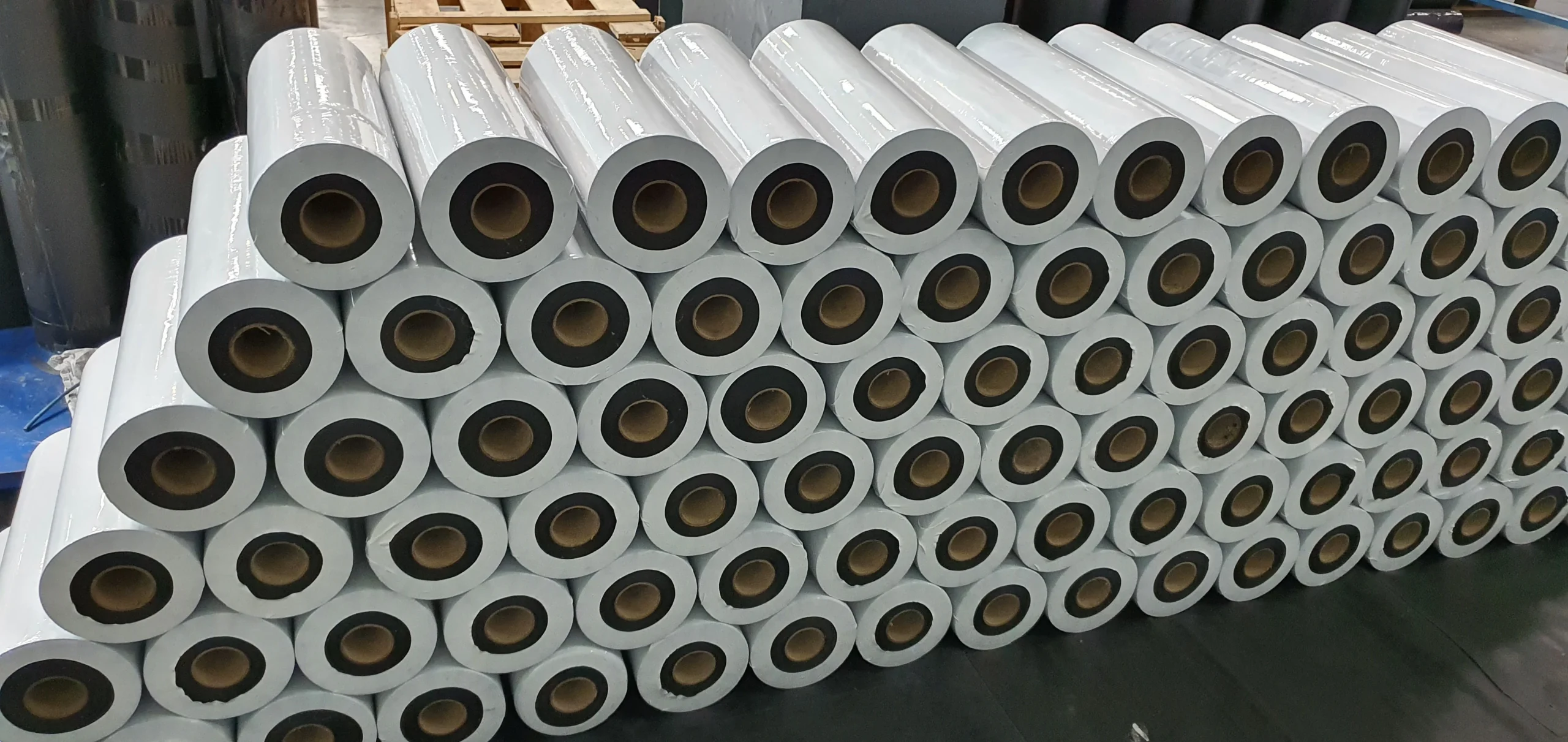
EPDM vs TPO: Which Is Better for US Commercial Buildings in 2026
If you own or manage a commercial building in the USA, roofing decisions are not just construction choices; they are long-term financial decisions. A wrong roofing system can quietly increase your energy bills, trigger repeated repairs, and shorten the lifespan of your entire structure.
Right now, the most common debate in commercial roofing is simple but critical: EPDM or TPO, which is better for modern buildings in 2026?
The challenge is that both materials are widely used, both are proven, and both promise value. But they perform differently depending on climate, building type, and long-term expectations. That is where most decision-making goes wrong.
In this guide, you will clearly understand:
- How EPDM roofing systems and TPO actually perform in real US conditions
- Which material works better for energy savings vs long-term durability
- What impacts commercial roof replacement cost in the USA the most today
- How to choose the right roof options for commercial building projects without overspending
- Real examples, comparisons, and a practical case study you can relate to
Let’s break it down in a way that actually helps you decide, not confuse you further.
Understanding the Two Roofing Systems the Right Way
Before comparing EPDM and TPO, it is important to understand what they really are in practical terms, not just technical definitions.
EPDM Roofing Systems: Built for Stability and Longevity
EPDM roofing systems are made from synthetic rubber. Think of it as a thick, flexible protective skin that sits over your building and quietly does its job for decades.
What makes EPDM stand out is not innovation, but consistency. It has been used in the US commercial roofing market for decades, especially on warehouses, logistics hubs, and manufacturing facilities.
In real-world performance, EPDM is valued for:
- Long-term weather resistance across cold and mixed climates
- Strong EPDM roofing waterproofing performance, even on aging structures
- Simplicity in installation and repair
- High compatibility with large, uninterrupted roof surfaces
It is not flashy, but it is dependable. That is why EPDM roofing for large buildings continues to dominate industrial applications.
TPO Roofing: Designed for Modern Energy Efficiency
TPO (Thermoplastic Polyolefin) is a newer generation roofing material. Unlike rubber-based systems, it is a single-ply reflective membrane designed for performance in energy-conscious buildings.
A TPO roofing membrane is heat-welded at seams, creating a smooth, sealed surface that reflects sunlight instead of absorbing it.
In practical use, TPO is chosen because:
- It reflects heat and reduces cooling loads in buildings.
- It supports modern energy-efficient construction standards.
- It is lightweight yet strong for commercial structures.
- It resists dirt buildup and biological growth better than older systems.
In simple terms, TPO is about lowering operating costs over time, especially in warmer US regions.
The Real Difference: EPDM vs TPO in Everyday Use
Instead of treating this as a technical comparison, it is better to look at how each system behaves in real life.
Climate Performance Matters More Than People Think
The USA has extreme climate variation, and roofing performance changes dramatically based on location.
- In northern states with snow and freezing temperatures, EPDM performs more reliably.
- In southern and western states with strong sun exposure, TPO reduces heat gain.
- EPDM remains flexible in cold weather without cracking
- TPO performs best under constant sunlight and high temperatures
So, when asking EPDM or TPO which is better, the first question should always be: where is the building located?
Maintenance and Repair Reality
Roofing is not just about installation; it is about what happens 10 years later.
With flat roof repairs, differences become more visible:
EPDM:
- Repairs are simple patch-based fixes.
- Widely understood by roofing contractors across the USA.
- Easier to maintain for older buildings
TPO:
- Repairs require heat-welding equipment.
- Needs more skilled labor for seam fixes
- Strong seams when installed correctly, but less forgiving
This is where long-term ownership costs start to matter more than initial pricing.
Cost Reality in 2026: What Building Owners Actually Pay
One of the biggest misconceptions in commercial roofing is that cost is only about the material you choose. In reality, the total investment is influenced by multiple moving parts, from how the roof is installed to how it performs over time. That is why two buildings using the same material can end up with very different final costs.
When evaluating the commercial roof replacement cost in the USA, it is important to understand the key factors that actually drive pricing:
Labor costs across US markets
In major cities, skilled roofing labor is in high demand. This increases installation costs, especially for systems like TPO that require precision and experienced crews.
Material price fluctuations
Roofing materials are affected by global supply chain changes. Even small shifts in raw material pricing can significantly impact overall project budgets.
Roof size and structural complexity
Larger roofs or those with multiple levels, equipment, or drainage challenges require more time and planning, which directly increases costs.
Insulation and energy code requirements
Modern US building codes demand better insulation and energy efficiency. This often adds layers and materials, increasing upfront investment but improving long-term performance.
In simple terms, commercial roofing is not just a purchase; it is a long-term system investment. Understanding these cost drivers makes it much easier to choose between EPDM and TPO with confidence.
EPDM vs TPO cost behavior
- EPDM usually has a lower upfront installation cost
- TPO can cost more initially due to the installation method
- TPO may recover costs through lower cooling expenses
- EPDM often wins in large-area affordability scenarios
This is why EPDM is still widely seen as an affordable commercial roofing option, especially for large industrial spaces where energy savings are not the primary concern.
Choosing the Right System: EPDM vs TPO Key Differences Explained
| Factor | EPDM Roofing Systems | TPO Roofing Membrane |
| Material Type | Synthetic rubber membrane | Thermoplastic reflective sheet |
| Upfront Cost | Lower | Moderate |
| Energy Efficiency | Medium | High |
| Lifespan | 25–35 years | 20–30 years |
| Repair Method | Simple patching | Heat-welded seams |
| Best Climate | Cold and mixed climates | Hot and sunny climates |
| Common Use | Warehouses, industrial buildings | Offices, retail, modern buildings |
Case Study: Real Commercial Decision in the USA
A logistics company in Illinois had a 90,000 sq. ft. warehouse roof nearing replacement. The building was experiencing leaks, rising heating costs, and insulation issues.
The team evaluated both EPDM roofing systems and TPO.
What influenced the decision
- EPDM offered a lower upfront cost for full replacement
- TPO promised better energy performance in the office sections
- Winter durability was a major concern due to heavy snow.
Final approach
Instead of choosing only one system, they used:
- EPDM for the main warehouse roof area
- TPO for administrative and office sections
Outcome after one year
- Heating costs stabilized in warehouse zones.
- Cooling costs dropped significantly in office sections.
- No major flat roof repairs were required.
- The maintenance team reported fewer leak complaints.
This hybrid approach is becoming more common in large US commercial buildings because it balances cost and performance.
Final Decision Framework: How to Choose
Choosing between EPDM and TPO is less about which is better and more about what your building actually needs. The right decision depends on climate, usage, and long-term priorities.
When EPDM Makes More Sense
EPDM is ideal if you prioritize durability and lower upfront costs. It performs reliably in colder or mixed US climates and is well-suited for large industrial or warehouse roofs where long-term stability matters more than energy savings.
When TPO Is the Better Fit
TPO works best when energy efficiency is a key goal. Its reflective surface helps reduce cooling costs, making it a strong choice for buildings in hot climates and modern commercial spaces focused on operational savings.
The Bottom Line
Both remain strong roof options for commercial building projects, but they solve different problems. EPDM focuses on durability and cost-efficiency, while TPO is built for energy performance and long-term savings.
Build Smarter. Choose the Right Roofing System Today
If you are planning a commercial roof replacement or are still unsure whether EPDM or TPO is right for your building, this decision should not be based on guesswork. The wrong choice today can lead to years of avoidable costs.
Speak with specialists who understand both materials, climate conditions, and long-term building performance. A proper evaluation can help you avoid unnecessary flat roof replacement mistakes and reduce lifecycle costs significantly.
Reach out to Polygomma today and make a roofing decision that protects your building, your budget, and your long-term operations without compromise.
Frequently Asked Questions
1. What is better for commercial roofs, EPDM or TPO?
The answer depends on building needs rather than one being universally better.
- EPDM performs better in cold and mixed climates
- TPO is more efficient in hot and sunny regions
- Both are widely used in US commercial roofing systems.
2. Why is TPO considered energy-efficient roofing?
TPO is designed with a reflective surface that reduces heat absorption.
- Helps lower indoor cooling demand
- Reduces HVAC operational costs
- Works best in warm climates
3. How long do EPDM roofing systems last compared to TPO?
Lifespan varies based on maintenance and environment.
- EPDM often lasts 25–35 years
- TPO generally lasts 20–30 years
- Proper installation improves durability for both.
4. What affects commercial roof replacement cost in the USA?
Multiple factors impact pricing beyond just materials.
- Labor rates in different US regions
- Roof size and complexity
- Insulation and compliance requirements
5. Is EPDM good for large commercial buildings?
Yes, EPDM is widely used in large-scale industrial roofing.
- Easy to install over large surfaces
- Strong waterproofing performance
- Cost-effective for warehouses and factories
6. What is the main drawback of TPO roofing?
TPO requires precise installation and skilled labor.
- Heat-welded seams need expertise.
- Repairs are more technical than EPDM.
- Performance depends heavily on installation quality.
7. What are the most common roof options for commercial building projects?
Most US commercial roofs use membrane-based systems.
- EPDM for durability-focused projects
- TPO for energy-efficient buildings
- Hybrid systems for mixed-use facilities