2025
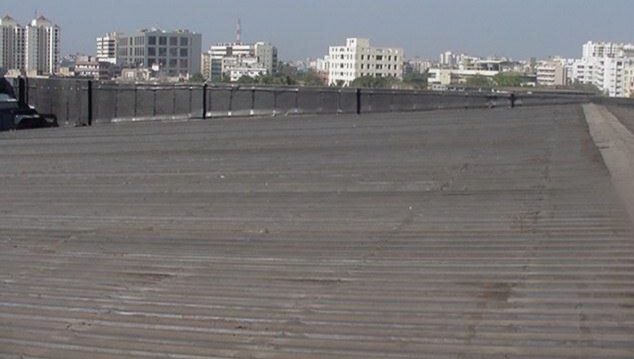
Avoiding Leaks: Flashing and Drainage Tips with Rubber Sheet for Roof Top
Water leakage is the most frustrating problem an owner can have in the house. Once the leakage starts from the rooftop it weakens the strength of the ceiling and the walls around them. Over time, this persistent moisture weakens the materials, leading to mould growth, paint damage, plaster cracks, and even structural decay. The quality of the house can completely get deteriorated because of the water seeping in from the roof.
Using rubber sheets on the roof top of the house is one of the best and a hassle-free way to stop leakages and increase the life span of roof and ceiling. These synthetic membranes act as a waterproof barrier, preventing rainwater or moisture from penetrating the roofing layers. Rubber roofing, particularly materials like EPDM, is highly durable and weather-resistant, capable of withstanding extreme temperatures, UV radiation, and heavy rainfall.
Using rubber sheets on rooftops not only helps eliminate leakage problems but also significantly extends the life span of the roof and ceiling by protecting them from water damage year-round. This solution is particularly beneficial for flat or low-slope roofs, where water tends to accumulate. As a result, homeowners can enjoy peace of mind, knowing their property is shielded from the long-term risks of water intrusion.
In this blog we will explore, about flashing, importance of drainage, what is rubber sheets for roof and how it’s helpful.
What is Flashing?
Flashing is materials like metal, plastic, rubber, etc, placed around the roof top intersection and edges to guide water way towards the drainage. This practice avoids the entrance of water in joints or ledges.
Common flashing locations:
- Chimneys, skylights, and vents
- Roof edges and parapet walls
- Join box where roof meets vertical walls
- Skylight curbs or AC-unit bases
Functions of good flashing:
- Seals gaps and joints on the rooftops
- Redirects water flow
- Protects underlying roofing materials
- Withstands expansion, contraction, and weather
Best Practices for Rubber Roof Flashing:
- Always use rubber-compatible flashing materials (EPDM flashing or butyl-based tapes).
- Flashing should extend 6–8 inches up vertical surfaces to prevent wind-driven rain from entering.
- Use termination bars and mechanical fasteners to secure the flashing at edges.
- Seal all overlaps using EPDM seam tape or primer-based adhesives.
- Avoid relying solely on caulks or sealants; they degrade faster than the membrane.
Why Drainage is important on rooftops?
The best flashing also wouldn’t work if the drainage on the rooftop is missing or improper. Water pooling or slow runoff leads to leaks, mould, structural damage, and deterioration of roofing materials. There are various risks of poor drainage:
- Standing water or ponding for a long period of time on the roof, damages the roofing membrane
- The collection of water can be heavy on the roof, which stresses the structure of the roof and house
- Increases the chances of leakage in poor joint areas
- Accelerates the damage of the wall and ceiling from UV exposure or freezing
Features of proper drainage
- The flat roofs should have a slight slope for the water to runoff properly and avoid ponding.
- Well positioned gutters and downspouts help to channel rainwater quickly and easily.
- Regularly removing debris, leaves, and dirt from the roof and drainage areas prevents blockages and leaks.
Flashing vs Drainage
| Feature | Flashing | Drainage |
| Purpose | Seals joints and edges | Removes water from the rooftops |
| Material used | Rubber boots, tapes, adhesives, metal. | Drains, scuppers, gutters, downspouts |
| Installation areas | Around walls, chimneys, pipes, edges. | Low points, corners, centre slopes. |
| Maintenance | Check for cracks, liftings, separations. | Clean the debris and inspect the flow path. |
| Impact if failed | Water seepage, membrane damage | Pooling, leaks, roof damage. |
What are Rubber sheets for rooftops?
Rubber sheets on rooftops are generally made up of EPDM (Ethylene Propylene Diene Monomer). The rubber sheets are designed for various types of rooftops, and they are well-known for their resistance from UV rays, ozone, extreme temperatures, and weathering. With proper installation, these sheets can last long up to 20-30 years or more offering a cost effective and reliable solutions for roof.
What is EPDM rubber sheets?
EPDM rubber sheets are a popular choice in contemporary roofing due to their strong waterproofing abilities and resistance to harsh weather. Made of synthetic rubber, EPDM provides excellent flexibility, durability, and protection against UV rays, making it a reliable option for both commercial as well as residential roofs.
These membranes are usually supplied in large rolls, typically between 10 and 50 feet wide, which minimizes the number of seams and reduces the likelihood of leaks. Installation methods vary and can include fully adhered systems using adhesives, mechanical fastening with screws and plates, or ballasting with gravel or pavers. Thanks to their ability to expand and contract without damage, EPDM sheets perform well in climates with varying temperatures.
In addition to their long service life, often exceeding 20 to 30 years with proper care, EPDM membranes are also known for being environmentally friendly and energy efficient, particularly the reflective white variants. However, to ensure optimal performance and leak prevention, it’s essential to properly design and install flashing and drainage systems alongside the membrane.
Why Rubber Sheets are a smart choice for rooftops?
Rubber roofing has become a go-to option for modern buildings due to its durability and performance in extreme weather conditions. It’s especially useful for flat or low-pitched roofs where water drainage is more challenging.
Key Benefits of rubber sheets on rooftops:
- Long lifespan (20–30+ years with proper maintenance)
- UV and ozone resistance
- Adapts temperature changes
- Cost-effective over the long term
- Low maintenance once installed correctly
- Ideal for climates with wide fluctuations
- Reduces the number of seeps, as it is available in large sheets
- Easy to install independently or by a professional
However, the success of a rubber roof system relies heavily on how well it’s installed and detailed—especially when it comes to flashing and drainage.
Tips for leak-proof Rubber roof
- Clean and level the base before laying the membrane
- Lay the sheets smoothly, avoiding wrinkles or bubbles on it
- Smartly plan the drainage and flashing before laying the sheet
- Use suitable and approved adhesives
After Installation:
- Conduct a test to check for leaks or pooling.
- Inspect flashing areas after heavy rain or storms.
- Keep drains and gutters clear at all times and inspect them regularly.
- Reapply or touch up sealant if cracks or lifting occur.
Rubber roofings are the most reliable solutions to prevent leakages and degradation of the roof tops but only when flashing and drainage is done properly.
Frequently Asked Questions
1. How often to inspect rubber sheets?
One should inspect rubber sheets on rooftops twice a year and after extreme climate conditions that can damage the sheets. Inspect for cracks, wrinkles and lifting edges.
2. Can regular sealant be used for laying the rubber sheets?
Usage of approved and compliant sealant that suits the rubber sheets should be used rather than any regular sealant to avoid wrinkles on the sheets and improper application.
3. What causes ponding on flat rubber roof?
Ponding is usually caused due to inadequate slope, clogged drains, or poor installation. Over time, this leads to membrane wear and leakage.
4. Is flashing more important than drainage?
Both are equally important to maintain the health of the roof and avoid the deterioration of roof and quality of the house or building. As one creates path for stacked water and other takes care of the joints and cracks.
5. Do rubber roofs need gutters?
Yes, especially on sloped or parapet roofs. Gutters help direct water safely away from the building’s foundation and reduce roof edge overflow.