2025
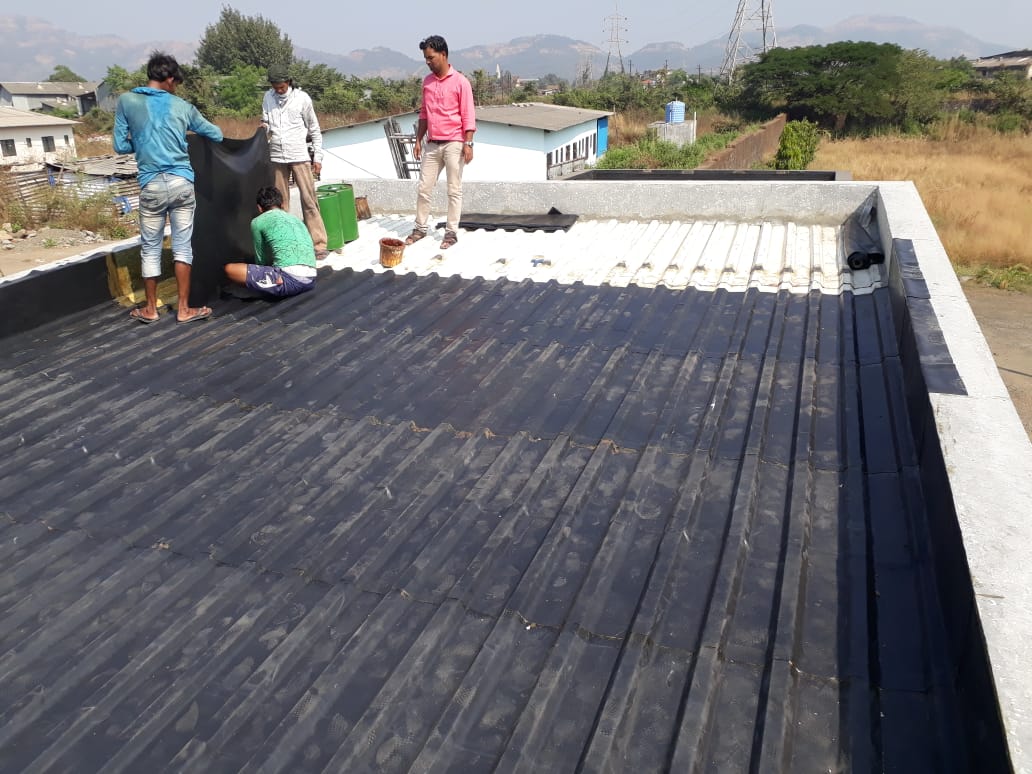
Can a Rubber Sheet for Roof Top Handle Heavy Rain and Storms
There is always a major concern while selecting a roofing material, that will it be able to stand and protect in harsh weather conditions as well? Rubber sheets like EPDM and butyl rubber have become more popular nowadays as a best option for rubber sheets for rooftops. But the question is that can these handle heavy rain or storms?
In this blog we will explore the capabilities, limitations, and best practices of rubber roofing under extreme weather. We’ll explore how it performs in heavy rainfall, high winds, and storm scenarios, what design and installation factors matter, and what maintenance is needed.
What is Rubber sheet roofing?
Rubber sheet roofing term refers to a type of roofing that uses synthetic rubber membrane to create a waterproof, flexible and strong layer on the roof top. This material is also known for its ability to resist UV rays, ozone, weathering, and temperature extremes, making it a reliable choice for long-term roof protection. Rubber sheet roofing is widely used in both residential and commercial applications due to its ease of installation, cost-effectiveness, and low maintenance requirements.
Types Of Rubber Sheets
- EPDM (Ethylene Propylene Diene Monomer): One of the most common single‑ply rubber roofing membranes used worldwide.
- Butyl rubber / Butynol membranes: Synthetic rubber membranes used in flat roof systems.
- Modified rubber / rubber‑asphalt blends: Rubber modified bitumen or membranes that combine rubber properties with bituminous materials.
- Rubber shingles or rubber slate: Rubber made to look like slate or tiles, especially for more pitched roofs.
EPDM rubber sheets for rooftops are most commonly used globally compared to other sheets.
Why do people prefer Rubber sheet for Roofing?
Rubber Sheet for Roof have various attractive qualities to protect the rooftops of houses or buildings which makes it a strong contender for protecting roofs in harsh climatic conditions. Some of the key reasons are:
- Seamless coverage and low porousness: The rubber sheets for the rooftops are usually vast in size, so that it completely covers the entire roof or the major part and restrains the entrance of water while reducing leaks.
- Flexibility and elasticity: The rubber sheets adapt the temperature changes, and they can expand or shrink according to the climatic conditions to protect the roof.
- Weather and UV resistance: Some rubber sheets like EPDM are engineered to resist UV, ozone, and general weathering for decades.
- Durability: If the rubber sheets are properly installed and regularly checked they can last up to 30-50 years under good conditions.
- Easily Repairable: Punctures or small cracks can be repaired with rubber patches and a few approved adhesives.
These qualities make the rubber sheets a best option for protecting the roofs for a longer period of time without any hassle.
Performance of Rubber Sheets under heavy rains and storms
1. Heavy rains and water ingress:
- Waterproof barrier: A good quality rubber membrane is non‑porous, so as long as there are no punctures, holes, or failed seams, water cannot pass through the sheet itself.
- Seam integrity: A key vulnerability is at seams (overlaps, joins) and terminations (edges, parapets, flashings). Proper sealing is crucial.
- Drainage design: If the roof has inadequate slope or poor drainage, water may pond, which increases hydrostatic pressure on seams and flashing edges.
- Resistance to ponding: Many rubber membranes can tolerate ponding water, but prolonged standing water is generally discouraged.
Risks to watch for:
- Punctures, tears, or holes caused by falling debris or act of nature.
- Failed seam adhesive or bond under sustained saturation or pressure.
- Water leaking through edge flashings, penetrations, or terminations.
- Poor underlying substrate or poor installation leading to wrinkles, blisters, or pins.
In many installations, after a heavy storm, it is recommended to inspect for blisters, lifted seams, or internal moisture ingress.
2. High Winds & Storm Forces
Storms often bring high winds, gusts, and uplift forces. Rubber membranes must resist these forces at edges and terminations.
Key considerations:
- Mechanical fastening or adhesive used: Fully adhered systems, mechanically fastened systems, or ballasted systems all behave differently under wind.
- Edge design and flap restraint: Edges must be properly terminated and anchored so that uplift does not lift the membrane.
- Wind uplift rating and uplift resistance: Good quality rubber roofing is tested to resist uplift pressures, but installation quality is critical.
- Thickness and weight: Thicker membranes or weighted systems (ballast) have greater resistance to uplift.
- Seam strength: A seam that fails under uplift can allow wind to get under the membrane and peel it off.
3. Debris, Impact & Hail
Strong storms may include hail, tree branches, or windblown objects. Rubber roofing must resist punctures and impact damage.
- Rubber has some ability to absorb and distribute impact forces because of its elasticity.
- However, sharp objects or heavy impact may puncture or tear the membrane.
- Regular removal of debris on rooftop reduces risk.
4. Thermal, UV & Weathering Effects
Between storms, the membrane endures sunlight, heat, cold, and ozone. Over time, these degrade the rubber, which can reduce performance under storm conditions.
- Rubber (especially EPDM) is engineered to resist UV and ozone degradation.
- Degradation is slower when coatings or protective layers are applied.
- Ongoing expansion and contraction cycles can stress seams or flashing transitions, especially under cyclical storm loads.
Factors That Determine How Well Rubber Roofing Will Handle Storms
| Factor | Importance | Key Best Practices / Notes |
| Roof slope & drainage | Prevents ponding & hydrostatic loads | Even a slight slope (≥1–2%) helps; use tapered insulation or slope boards |
| Seam quality & detailing | Weak links often at seams | Overlaps, adhesive, roller application, consistent bond, no voids |
| Flashing & terminations | Edges often fail | Proper turning up at parapets, metal edge trims, anchor bars |
| Attachment method | Determines wind resistance | Fully adhered, mechanically fastened, or ballasted – choose based on climate & wind zone |
| Membrane thickness & quality | Thicker, premium membranes resist damage better | 1.1 mm (45 mil) common; 1.5 mm or more in harsher conditions |
| Underlayment & substrate | Suboptimal substrate can deform membrane | Smooth, rigid, well-vented, stable deck under the membrane |
| Quality of installation | Even the best membrane fails with poor installation | Experienced contractors, clean surfaces, weather conditions during install |
| Inspection & maintenance schedule | Storms cause wear and tear | Inspect after storms, fix minor damage promptly |
| Protective coating / UV shield | Slows down aging | Reflective coatings or topcoats can extend life |
Does Rubber Roofing Always withstand Heavy storms?
The answer is no! Rubber roofing is not bulletproof. Under certain circumstances there is a possibility where rubber roofing can get damaged which may lead an effect on the roof. Some scenarios which may cause this situation are:
- Poor workmanship leading to seam failure or faulty flashing.
- Inappropriate design (flat roof with no proper drainage)
- Use of standard membrane or adhesives that age prematurely
- Severe storm exceeding wind or uplift ratings.
- Impact damage (falling of tree or hails) causing punctures
- Neglected maintenance
Thus, a well‑designed and properly installed rubber roof can handle heavy rain and storms, but that doesn’t guarantee that all rubber roofs will.
Best Practices to Improve Storm Resilience
If you are planning to use a rubber sheet roofing solution in a storm‑prone area, consider these tips:
- Select a premium membrane: Choose membranes from reputable manufacturers with documented wind and weather ratings.
- Use thicker membranes in vulnerable zones around edges, parapets, or highly exposed zones.
- Detail seams, flashings, and penetrations carefully: Use proper adhesives, secure underlayment, and good flashing transitions.
- Adhere to wind uplift design standards: In high wind zones, opt for fully adhered or heavily anchored systems.
- Perform post‑storm inspections: Immediately after heavy storms, check for lifted seams, blisters, or water infiltration.
- Hire experienced installers: Quality of execution often matters more than the raw spec of the membrane.
Ultimately, whether a rubber sheet for the roof top will survive storms depends on the whole system, not just the material.
Frequently Asked Questions
1. Can a rubber roof handle ponding water?
Many rubber membranes are rated to handle some ponding, but it’s not ideal to continuously have standing water. Long durations of ponding significantly stress seams and flashing over time which may cause damages.
2. What is the lifespan of a rubber roof in stormy areas?
With quality installation and maintenance, rubber roofs can last 30 to 50 years or more, even with exposure to storms and UV.
3. What kind of damage is common after a big storm?
You might find lifted seams, damaged flashing, small punctures, blisters, or debris‑induced holes. These are often repairable if caught early.
4. Is rubber roofing expensive compared to other options?
The material cost can be higher than simpler sheets or bituminous membranes, but rubber’s durability and low maintenance often yield lower life-cycle costs.
5. Can I walk on a rubber roof to inspect it after a storm?
Light foot traffic is usually acceptable but avoid dragging tools or placing heavy loads. Use walk pads if necessary. Puncture risk should always be minimized.