2026
EPDM Geomembranes for Industrial Waste Containment- Safety & Compliance
Have you ever thought about what could happen if hazardous industrial waste seeped into the ground unnoticed? Even a small leak can lead to serious environmental damage, hefty fines, and lasting reputational harm. Across Europe, the USA, and other industrial hubs, regulatory bodies are tightening rules, and companies are under increasing pressure to prove their containment systems are safe, reliable, and compliant.
This is where EPDM Geomembranes make a tangible difference. These rubber membranes are engineered to prevent leaks, resist harsh chemicals, and withstand extreme temperatures and weather conditions. Their flexibility allows them to conform to uneven surfaces, while their durability ensures decades of performance.
Industries that adopt EPDM liners quickly see improvements in both safety and compliance:
- Protecting soil and groundwater from contamination.
- Meeting strict environmental regulations set by authorities like the EU or US EPA.
- Reducing long-term maintenance costs due to durability and resilience.
- Minimising legal and operational risks associated with waste handling.
With industrial operations becoming increasingly complex, investing in a high-quality rubber geomembrane is no longer optional—it is a critical step to safeguard people, the environment, and your business.
What Are EPDM Geomembranes?
EPDM Geomembranes are synthetic rubber liners designed specifically for industrial waste containment. EPDM, which stands for ethylene propylene diene monomer, is a durable synthetic rubber with exceptional chemical resistance and flexibility.
How EPDM Supports Safety and Compliance
- Leak Prevention: A primary safety benefit is the membrane’s ability to prevent hazardous liquids from seeping into soil or groundwater, reducing environmental risks.
- Chemical Resistance: EPDM withstands acids, alkalis, and organic solvents, ensuring containment of hazardous waste complies with regulatory standards.
- Long-Term Integrity: When properly installed, EPDM membranes last for decades, maintaining safety without frequent replacements.
- Environmental Compliance: Its proven performance makes meeting EU, US, and local waste containment regulations easier and more reliable.
Industries in Europe and the USA increasingly choose rubber membranes like EPDM for chemical storage, mining tailings, municipal sludge, and other high-risk applications where both safety and compliance are non-negotiable.
EPDM Manufacturing: The Foundation of Safety
The safety and compliance performance of an EPDM geomembrane begins with manufacturing. High-quality membranes are carefully produced to meet strict industrial standards, ensuring they function as a reliable barrier under extreme conditions.
Key Manufacturing Factors for Safety and Compliance
- Compound Formulation: The right blend of ethylene, propylene, and diene ensures chemical resistance and elasticity, critical for handling hazardous materials safely.
- Consistent Thickness: Industrial liners usually range from 1.5mm to 2.5mm. Thickness directly impacts puncture resistance and leak prevention, which are essential for compliance.
- Reinforcement Options: Some membranes include polyester scrims for added tensile strength, preventing tears during installation or operation.
- Quality Assurance Testing: Membranes are rigorously tested for puncture resistance, tear strength, elongation, and chemical resistance to meet regulatory and safety standards.
Choosing a reliable manufacturer ensures that your rubber geomembrane meets both safety expectations and legal compliance requirements. Cutting corners at this stage can lead to failures that risk contamination and penalties.
Benefits of EPDM Geomembranes
The advantages of EPDM geomembranes go beyond durability—they provide a clear path to safer, compliant industrial operations.
Safety Advantages
- Prevents Environmental Hazards: By stopping leaks, EPDM protects soil, groundwater, and surrounding ecosystems.
- Chemical Containment: Resistant to acids, alkalis, and solvents, it keeps hazardous waste safely isolated.
- Resistant to Physical Stress: Stretching, settlement, or heavy loads do not compromise the liner, reducing the risk of accidental exposure.
Compliance Benefits
- Documentation & Inspection: Long-term durability reduces regulatory violations and supports audit readiness.
- Sustainable Management: Minimal degradation ensures consistent compliance over decades.
Operational and Financial Benefits
- It can be installed over uneven surfaces without compromising safety.
- Reduces long-term maintenance costs due to resilience.
- Compatible with monitoring systems to detect leaks early, supporting proactive compliance.
EPDM vs Other Geomembranes
| Feature | EPDM Geomembrane | HDPE Geomembrane | PVC Geomembrane |
| Flexibility | Excellent (safety against cracks) | Moderate | Moderate |
| UV & Weather Resistance | High (prevents degradation) | Low to Medium | Medium |
| Chemical Resistance | High (compliance with regulations) | High | Low |
| Lifespan | 30+ years (long-term safety) | 20–25 years | 15–20 years |
| Installation Risk | Low (fewer failures) | Moderate | Moderate |
EPDM System Installation:
Even the best EPDM material can fail if installed incorrectly. Proper EPDM system installation is essential for maintaining both containment safety and regulatory compliance.
Step 1: Site Preparation
- Clear debris, sharp objects, and vegetation to avoid punctures.
- Ensure the base is smooth and compacted, supporting membrane integrity.
- Use protective underlay to enhance safety.
Step 2: Membrane Placement
- Carefully unroll the EPDM liner, avoiding folds or wrinkles that could compromise containment.
- Allow the material to acclimate to ambient temperature for flexibility and bonding.
- Secure temporarily with weights or sandbags to prevent movement.
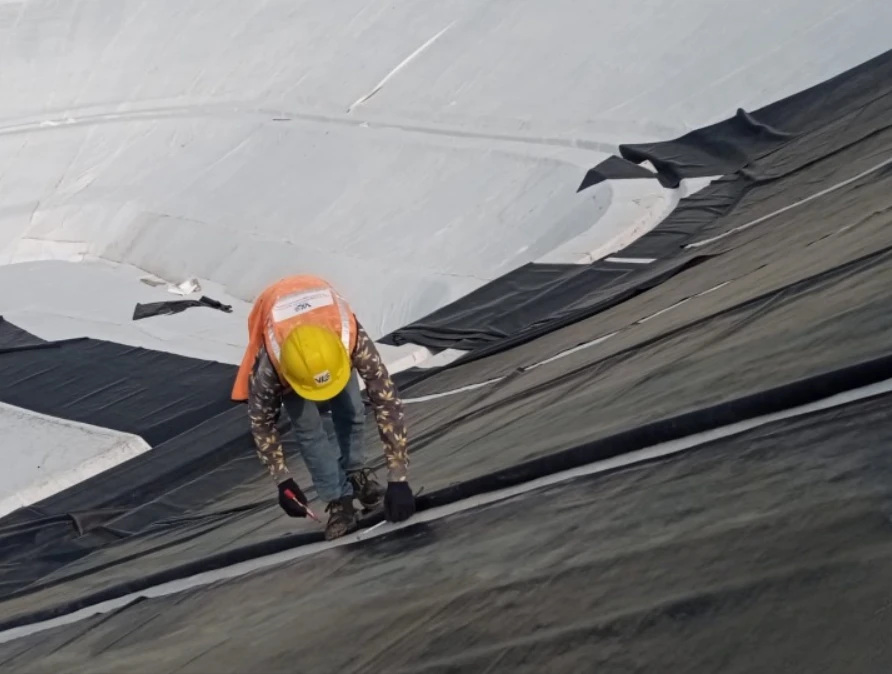
Step 3: Seaming and Bonding
- Join sections using approved adhesives or seam tapes.
- Ensure overlaps are consistent and clean to maintain leak-proof integrity.
- Conduct seam tests to verify that containment meets regulatory standards.
Step 4: Anchoring and Covering
- Anchor edges using trenching or ballast to prevent movement.
- Carefully backfill to avoid punctures or stress on the membrane.
- Inspect the surface thoroughly to detect potential vulnerabilities.
Step 5: Quality Assurance
- Conduct pressure or water pond tests for leak detection.
- Maintain records for regulatory audits and safety documentation.
- Schedule regular inspections to ensure long-term compliance.
Real-World Applications and Trends
Industrial Waste Containment
Across Europe and the USA, industries are moving towards EPDM geomembranes to meet environmental safety standards. These membranes have been successfully implemented in chemical plants, mining operations, and municipal waste facilities.
Landfills and Mining
- Modern landfills rely on EPDM liners to prevent leachate contamination, complying with EU and US landfill regulations.
- Tailings ponds in mining operations use EPDM to resist acidic or toxic runoff, maintaining safety and regulatory compliance.
Agriculture and Aquaculture
- Fish ponds and irrigation reservoirs benefit from EPDM’s durability and leak-proof design, supporting safe water retention.
- Farmers in southern Europe report improved water efficiency and reduced regulatory risk using EPDM liners.
Maintenance and Longevity: Protecting Safety Over Time
Even the most durable EPDM geomembranes are not entirely maintenance-free. To ensure that they continue to provide reliable protection and meet regulatory standards, periodic inspection and upkeep are essential. Regular maintenance is not just about preserving the material; it is a critical step in maintaining both safety and compliance for your facility.
A structured inspection routine should include:
- Seams and Overlaps: Check all seams and overlaps every 6 to 12 months. Detecting and repairing any weak points early prevents potential leaks that could lead to regulatory violations.
- Debris and Vegetation Removal: Remove any debris, sharp objects, or overgrown vegetation that could puncture or damage the membrane. Even small punctures can compromise containment and trigger environmental hazards, putting both safety and compliance at risk.
- Chemical Spill Checks and Stress Points: Inspect for signs of chemical spills, unusual stress, or stretching on the membrane. EPDM is highly resistant to chemicals, but concentrated spills or pressure points can still cause localized degradation. Addressing these issues promptly ensures the membrane continues to function as a reliable barrier.
- Documentation for Audits: Maintain detailed records of all inspections, repairs, and maintenance activities. Regulatory authorities in both Europe and the USA often require evidence that containment systems are monitored and maintained. Proper documentation demonstrates proactive compliance and can protect your facility in case of audits or inspections.
Following these practices not only prolongs the life of the membrane but also ensures that the EPDM geomembrane benefits, including its protective capabilities and compliance adherence, remain fully effective for decades. In effect, routine maintenance transforms EPDM from just a durable liner into a long-term safety solution that businesses can rely on with confidence.
Industry Trends Supporting Safety and Compliance
- Sustainable Materials: Long-lasting EPDM reduces waste and environmental risk.
- Hybrid Systems: Combining EPDM with geotextiles enhances chemical resistance and leak prevention.
- Integrated Monitoring: Sensors above EPDM layers allow early detection of leaks, ensuring proactive compliance.
Regulatory pressures in Europe and the USA continue to push industries toward solutions that guarantee both safety and compliance.
If your facility manages industrial waste, immediate action is crucial to prevent leaks, fines, or environmental damage. Partner with experts like Polygomma for high-quality EPDM geomembranes and professional EPDM system installation. Safeguard your operations, meet regulatory standards, and ensure long-term safety.
Reach out today to secure your containment system before risks escalate.
Frequently Asked Questions
1. Why are EPDM geomembranes considered safe for industrial waste?
EPDM is a durable rubber membrane that prevents hazardous leaks and withstands harsh chemicals.
- Stops soil and groundwater contamination.
- Resistant to acids, alkalis, and solvents.
- Maintains integrity over decades.
- Supports regulatory compliance with inspections and testing.
2. How does EPDM help maintain compliance?
High-quality EPDM ensures that containment systems meet regulations and industry standards.
- Supports the EU Waste Framework Directive and US EPA requirements.
- Documentation of installation and inspections aids audits.
- Resistant to degradation, reducing the risk of non-compliance.
- Easy integration with monitoring systems for proactive reporting.
3. Can EPDM liners be installed over old containment surfaces?
Yes, proper EPDM system installation allows retrofitting for safety and compliance.
- Ensure the base is smooth and debris-free.
- Protective underlay may be used.
- Seams and overlaps must be bonded correctly.
- Test for leaks before covering.
4. How long do EPDM geomembranes last while staying compliant?
With proper care, EPDM can last over 30 years while maintaining safety standards.
- UV and chemical-resistant formulations ensure longevity.
- Minimal maintenance reduces the risk of regulatory violations.
- Retains flexibility and integrity under temperature variations.
5. Are EPDM membranes environmentally friendly?
Yes, EPDM is recyclable and prevents hazardous leaks. Its rubber geomembrane composition reduces environmental risk.
- Long lifespan reduces waste from replacements.
- Prevents leachate contamination.
- Non-toxic under standard industrial conditions.
- Supports global environmental compliance initiatives.
6. Is EPDM suitable for outdoor waste ponds?
Absolutely. EPDM resists UV, rainfall, and extreme temperatures while maintaining containment safety.
- Flexible under changing environmental conditions.
- Seam integrity prevents leaks.
- Compatible with monitoring and drainage systems.
- Reduces environmental and regulatory risks.
7. What are the common installation mistakes to avoid?
Incorrect placement or seam bonding can compromise both safety and compliance.
- Avoid sharp objects beneath the membrane.
- Ensure proper overlap of seams.
- Conduct thorough leak tests before backfilling.
- Use approved adhesives and bonding methods.