2026
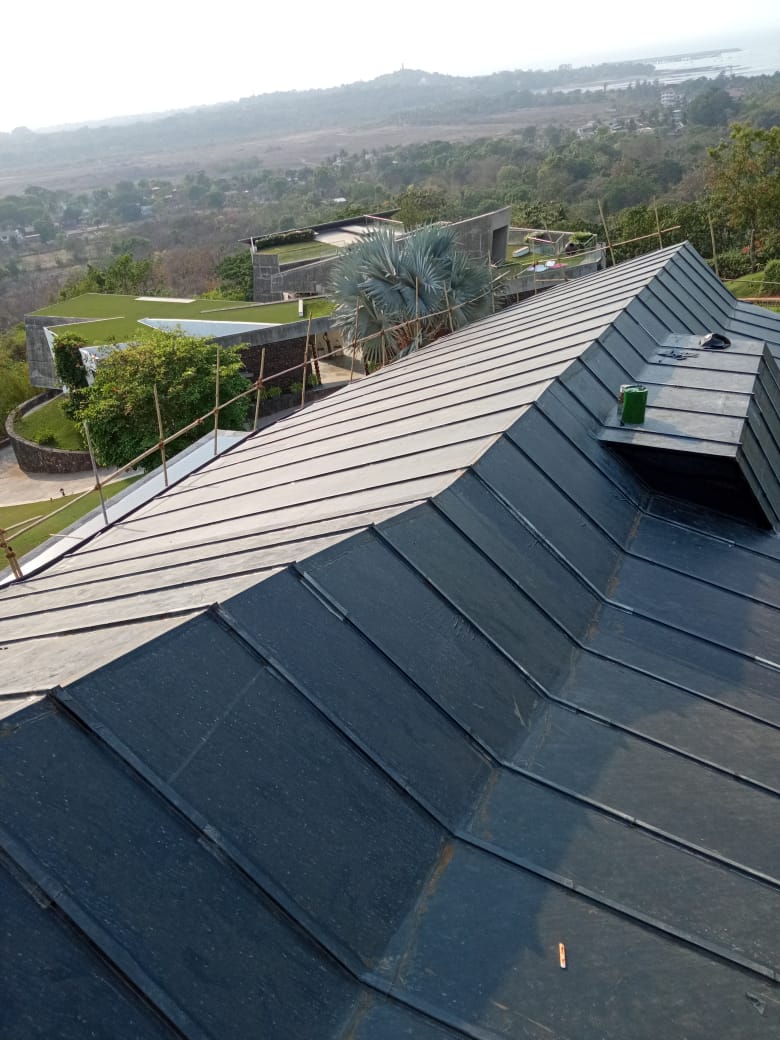
Why Single-Ply Membranes Are Replacing Traditional Bitumen in Europe
Across Europe, commercial building owners are rethinking their roofing choices. For decades, bitumen roofing dominated flat roofs on factories, retail parks, and office buildings. It worked, but it also came with familiar frustrations. Cracking surfaces, heavy materials, frequent repairs, and complex installations often increase maintenance costs over time.
Today, a noticeable shift is happening. Architects, contractors, and property managers are increasingly choosing single ply roofing membranes instead of traditional systems. The change is not simply about trends. It is about durability, efficiency, and long-term value.
Modern single ply membrane technology has made roofing lighter, stronger, and easier to maintain. Across Europe, especially in countries such as Germany, the Netherlands, and the UK, these membranes are becoming the preferred solution for flat and low-slope roofs.
Here is why more commercial buildings are moving toward single ply roofing:
- It simplifies roofing systems. A single ply membrane creates a reliable waterproof barrier with fewer layers, reducing installation complexity and potential failure points.
- It lowers structural load on buildings. Compared with heavy traditional roofing systems, roofing single ply membranes are lightweight and place less stress on the roof structure.
- It improves long-term reliability. Modern single ply membranes for roof applications are designed to withstand weather, UV exposure, and temperature changes across Europe’s varied climate zones.
- It aligns with modern construction trends. Architects increasingly choose single ply roofing membranes because they integrate well with energy-efficient insulation systems and contemporary building designs.
Understanding why this shift is happening helps building owners make more informed roofing decisions that balance durability, efficiency, and cost.
What is a single ply roof?
Before exploring why these systems are gaining popularity, it helps to understand what is single ply roofing.
A single ply roof is a roofing system that uses a single flexible membrane layer to create a waterproof barrier across flat or low-slope roofs. Unlike multi-layer systems, this design focuses on a strong yet lightweight membrane that performs several functions at once.
Typical single ply roofing systems include:
Membrane layer
The core waterproof sheet that protects the building from rain, snow, and environmental exposure.
Insulation board
Installed beneath the membrane to improve energy performance and regulate indoor temperatures.
Attachment system
The membrane is secured to the roof deck using adhesives, mechanical fasteners, or ballast depending on the building design.
This simplified structure is one of the main reasons single ply roofing membranes have gained popularity in commercial construction.
Across Europe, many warehouses, retail complexes, and office buildings now use roofing single ply systems because they provide reliable waterproofing without the weight and complexity of traditional roofing layers.
Is single ply roofing the same as TPO?
This is a common question when discussing modern roofing systems.
The short answer is no. Single ply roofing is a category of roofing systems rather than one specific material.
Within this category, there are different types of single ply membranes for roof applications, including EPDM-based membranes.
In other words:
- Single ply roofing membranes describe the overall roofing system.
- Specific membrane types, such as EPDM single ply membrane, are materials used within that system.
What makes them similar is the concept of using a single durable membrane layer for waterproofing. This approach is what allows single ply roofing systems to remain lighter, faster to install, and easier to maintain compared with older roofing structures.
For commercial property owners, understanding this distinction helps when discussing options with commercial roofing companies.
Is EPDM the same as a single ply membrane?
The relationship between EPDM and single-ply roofing often causes confusion.
An EPDM single ply membrane is actually one of the most widely used materials within single ply roofing membranes.
In simple terms:
- Single ply membrane refers to the roofing system type.
- EPDM refers to the rubber material used to create that membrane.
EPDM membranes are especially popular because they offer several advantages for commercial buildings.
These benefits include:
- Highly flexible rubber membrane that expands and contracts with temperature changes without cracking.
- Strong resistance to rain, wind, and UV exposure across varied climates.
- Durable membrane that can perform reliably for decades when properly installed.
Because of these qualities, many contractors recommend EPDM single ply membrane systems for commercial and industrial buildings.
How long does single ply last?
One of the most important factors when choosing roofing materials is lifespan.
Modern single ply roofing systems are designed to last for several decades with proper installation and maintenance.
The durability of single ply roofing membranes depends on several factors:
Material quality
High-quality membranes are engineered to resist environmental stress, UV exposure, and temperature fluctuations.
Professional installation
Correct sealing and attachment ensure the membrane performs effectively throughout its lifespan.
Routine inspections
Occasional roof inspections help identify small issues before they become major repairs.
Across Europe, many commercial buildings report single ply membranes for roof installations lasting 25 to 40 years.
This reliability is one reason architects and facility managers increasingly prefer roofing single ply systems.
What is the typical lifespan of a single ply roofing system?
While lifespan and life expectancy sound similar, life expectancy usually refers to the average performance period expected under normal conditions.
For most commercial buildings, the life expectancy of a single ply roof typically ranges between 30 and 40 years.
Several factors influence this:
- Roofs exposed to harsh weather conditions may require more frequent inspections and maintenance over time.
- Buildings with regular roof access for maintenance or equipment installation may experience slightly higher wear.
- High-quality single ply roofing membranes, especially EPDM-based systems, generally deliver longer and more reliable performance.
For large warehouses, shopping centres, and office complexes, this long service life often translates into a strong return on investment.
How is single ply roofing installed?
Installation methods are another reason single ply roofing has become popular in Europe.
Compared with multi-layer roofing systems, the process is typically faster and less labour-intensive.
Professional commercial roofing companies usually install single ply membrane systems using one of several techniques.
These include:
Mechanically fastened systems
The membrane is secured to the roof deck using fasteners placed along the seams, providing strong wind resistance.
Fully adhered systems
Adhesives bond the membrane directly to the insulation layer, creating a smooth and stable surface.
Ballasted systems
In some designs, loose stone ballast holds the membrane in place while protecting it from UV exposure.
Because single ply roofing membranes often come in large sheets, installers can cover large roof areas quickly while reducing seam lines.
This efficiency is particularly valuable for large commercial projects where installation time can affect business operations.
What are the three types of roofing?
When discussing commercial roofing systems in Europe, roofs generally fall into three broad categories.
Understanding these categories helps explain why single ply roofing has gained such strong adoption.
The main roofing approaches include:
Traditional multi-layer roofing systems
These systems involve several layers of materials stacked together to form the roof surface.
Membrane-based roofing systems
Modern single ply membranes for roof applications fall into this category and rely on a durable waterproof membrane.
Hybrid roofing systems
Some projects combine different roofing materials to meet specific building requirements.
Among these, roofing single ply systems are becoming more common because they simplify the roofing structure while maintaining strong waterproof protection.
Which roofing material should I use?
Choosing the right roofing system depends on several factors related to the building and its operational needs.
For many commercial projects in Europe, single ply roofing membranes have become the preferred option due to their practical advantages.
Building owners often consider:
- Large roofs benefit from lightweight single ply membrane systems that place less structural stress on the building.
- Facility managers prefer single ply roofing because it requires relatively simple and predictable maintenance.
- Faster installation helps minimise disruption in busy retail centres, offices, and warehouse facilities.
Because of these advantages, single ply membranes for roof systems are widely used in logistics centres, shopping complexes, and industrial buildings across Europe.
Conclusion
Commercial roofing across Europe is evolving. Building owners are looking for systems that combine durability, efficiency, and simplified installation.
This shift explains why single ply roofing membranes are steadily replacing traditional roofing approaches in many commercial projects.
Lightweight construction, strong waterproof performance, and long service life make single ply roofing an attractive choice for modern buildings.
As commercial architecture continues to prioritise energy efficiency and durability, the demand for reliable single ply membrane systems is expected to grow even further.
If you are planning a roofing upgrade, consult experienced commercial roofing companies that specialise in single ply roofing membranes. Polygomma offers reliable single ply membranes for roof applications designed for long-term performance and modern building needs. Connect with their experts today to choose a roofing system built to protect your property for decades.
Frequently Asked Questions
1. What is a single ply membrane used for?
A single ply membrane is commonly used for waterproofing flat and low-slope roofs on commercial and industrial buildings.
These membranes are valued because they:
- Provide a continuous waterproof layer across large roof surfaces
- Remain flexible during temperature changes
- Work well with insulation systems to improve building efficiency
Because of these benefits, single ply roofing systems are widely used across Europe.
2. Are single ply roofing membranes durable?
Yes, modern single ply roofing membranes are engineered to withstand demanding environmental conditions.
Their durability comes from:
- Strong resistance to UV exposure and weathering
- Flexible material that prevents cracking during expansion and contraction
- Reliable seam sealing technology that protects against water penetration
These qualities allow single ply membranes for roof systems to perform reliably for many years.
3. Is EPDM used in single ply roofing?
Yes, EPDM single ply membrane systems are among the most common types of single ply roofing.
EPDM is popular because it offers:
- Excellent flexibility in varying temperatures
- Long service life when properly installed
- Strong resistance to environmental damage
These advantages make EPDM a widely trusted material for commercial roofing.
4. Can single ply roofing be installed on large buildings?
Yes, roofing single ply systems are particularly suitable for large commercial and industrial buildings.
Large membrane sheets allow installers to:
- Cover large roof areas quickly
- Reduce seam lines that could lead to leaks
- Simplify installation compared with layered roofing systems
This makes single ply roofing membranes ideal for warehouses, retail parks, and logistics facilities.
5. Do single ply roofs require maintenance?
Like any roofing system, single ply roofing benefits from routine inspections.
Basic maintenance typically includes:
- Checking seams and flashing areas for wear
- Removing debris from drainage outlets
- Inspecting membrane surfaces for punctures or damage
With proper care, single ply membranes for roof systems can maintain strong performance for decades.