2026
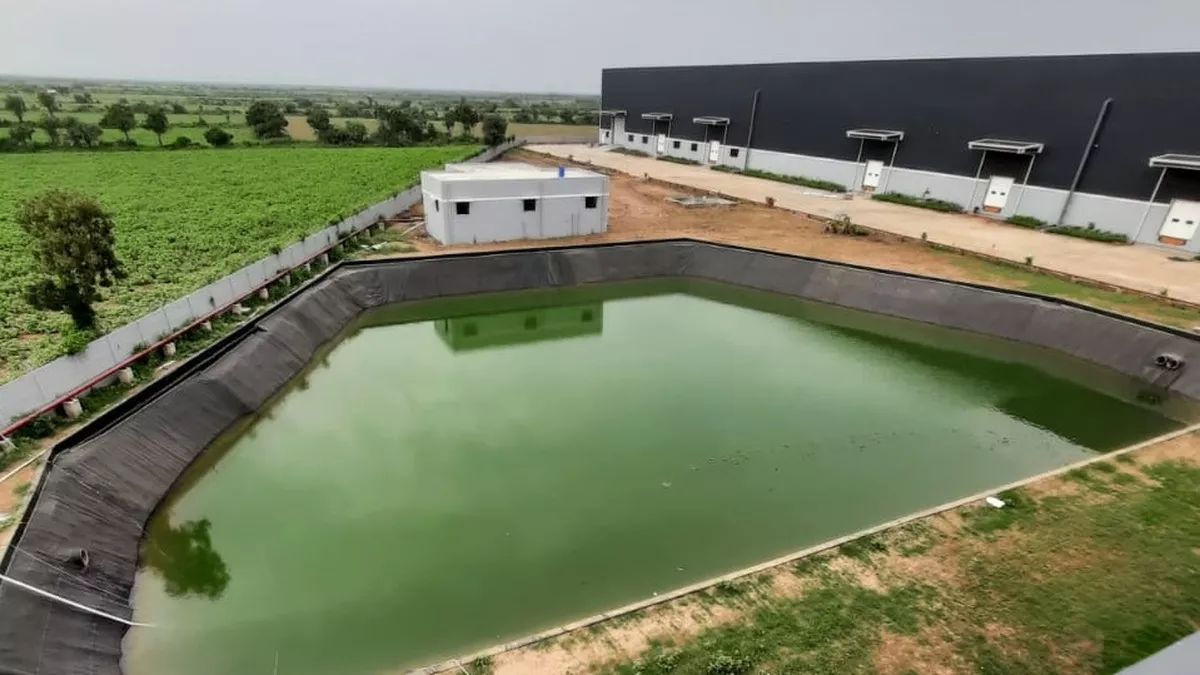
Geomembrane Liner Design for Large-Scale Aquaculture: Hydrostatic Pressure Considerations
When an aquaculture pond holds a large volume of water, the liner has to handle more than just constant contact with water. Water depth creates hydrostatic pressure, while groundwater beneath the pond can create pressure in the opposite direction. If these forces are not considered during design, the liner may move, wrinkle, lift or become damaged.
A geomembrane liner for aquaculture should therefore be selected and installed as part of a complete pond containment system.
Before installation, project teams should assess:
- Water depth: Greater depth creates higher pressure at the pond base.
- Groundwater: Water beneath the liner can cause hydrostatic uplift.
- Subgrade: The membrane needs a smooth, stable and well-prepared surface.
- Liner specification: Material and thickness should match the site and operating conditions.
Getting these points right before construction is far easier and less expensive than correcting problems after the pond is full.
How Hydrostatic Pressure Affects an Aquaculture Liner
Hydrostatic pressure increases with water depth. A shallow pond places relatively low pressure on its base, while a deep commercial pond can create considerably higher loading.
The basic relationship is:
Hydrostatic pressure = water density × gravity × water depth
For liner design, the important point is that pressure is not the same throughout the pond. It is lowest near the water surface and greatest at the bottom.
This makes the following factors important:
- Maximum operating water depth
- Pond geometry and side slopes
- Soil conditions beneath the liner
- Expected changes in water levels
- Groundwater levels around and below the pond
A proper hydrostatic pressure geomembrane design considers these conditions together rather than selecting a liner based only on thickness.
Groundwater and Geomembrane Hydrostatic Uplift
Groundwater can present a different type of pressure. When groundwater collects underneath a liner, it can push the membrane upwards.
This is known as geomembrane hydrostatic uplift.
For example, a pond may be constructed during a dry period when groundwater is low. After prolonged rainfall, the groundwater level can rise. If drainage beneath the membrane is inadequate, the upward pressure may cause the liner to lift or form large bubbles.
Depending on the site, the design may require:
- Underliner drainage: Provides a controlled route for water beneath the membrane.
- Perimeter drainage: Helps prevent groundwater from accumulating around the pond.
- Perimeter anchoring: Keeps the membrane secured around pond edges.
- Suitable subgrade: Reduces voids and areas where water can collect.
Groundwater conditions should be assessed during planning, particularly on sites with seasonal rainfall or a naturally high water table.
Selecting the Right Geomembrane
Material selection should reflect the size, depth and intended use of the pond. Different geomembranes have different levels of flexibility, strength, puncture resistance and environmental durability.
EPDM, for example, is a flexible membrane option that can be considered for certain aquaculture applications. An EPDM pond liner for fish farming can provide flexibility and resistance to weathering, ozone and temperature changes.
However, the right material cannot be selected by looking at one property alone. The entire installation environment needs to be considered.
What to assess
Flexibility:
A flexible membrane can accommodate some movement in the underlying surface without becoming excessively stressed.
Mechanical resistance:
The membrane should be able to withstand handling and the conditions expected during installation and operation.
Environmental durability:
Exposure to sunlight, temperature changes, water and other environmental factors should be considered when specifying the membrane.
Aquatic suitability:
Materials used in fish farming should be suitable for the intended aquatic environment. This includes associated adhesives, tapes and accessories where applicable.
How Thick Should an Aquaculture Liner Be?
There is no single thickness that works for every pond. Aquaculture pond liner thickness should be determined according to the application, ground conditions, pond depth and expected mechanical stresses.
A thicker membrane can offer greater resistance to certain forms of mechanical damage, but increasing thickness does not solve problems caused by poor installation or groundwater pressure.
| Factor | Effect on liner design |
| Greater water depth | Higher hydrostatic pressure |
| High groundwater | Greater risk of uplift |
| Rough subgrade | Higher puncture risk |
| Steep or irregular slopes | Greater installation challenges |
| Large pond area | More seams and handling requirements |
The membrane specification should therefore be considered alongside the supporting layers and installation method.
Preparing the Pond Before Installation
A good membrane can still fail if it is installed over an unsuitable surface. The pond base and slopes should be prepared before the liner arrives on site.
The subgrade should be:
- Smooth and properly compacted
- Free from sharp stones, roots and construction debris
- Stable under expected loading
- Properly shaped according to the pond design
- Checked for areas that could collect groundwater
Slopes should also have smooth transitions rather than sudden changes in direction. This helps the membrane sit properly and reduces unnecessary stress during installation.
Large-Scale Pond Liner Installation
The larger the pond, the more important installation planning becomes. Handling large membrane sheets requires sufficient space, suitable equipment and an organised installation sequence.
During large-scale pond liner installation, contractors should pay particular attention to seams, corners, penetrations and perimeter anchoring.
A practical installation checklist includes:
- Inspect the completed subgrade before deployment.
- Confirm drainage systems are ready where specified.
- Position membrane sheets according to the approved layout.
- Avoid unnecessary dragging or stretching.
- Inspect and test seams according to the project specification.
- Secure the perimeter correctly.
- Inspect the completed liner before filling.
The liner should not be treated as the final step of pond construction. It forms part of the overall water containment system.
What Happens After Installation?
Before filling the pond completely, the membrane should be inspected for visible damage, poor seams, wrinkles or movement.
Large aquaculture facilities should ideally have a documented inspection process. This gives the project team a clear record of checks completed before the pond enters operation.
Filling should also be controlled rather than rushed. Gradual filling allows the team to observe how the membrane behaves as water depth increases.
If unusual movement, water loss or uplift is noticed, the cause should be investigated before the pond reaches full operating depth.
Designing for Long-Term Performance
Long-term performance depends on more than membrane thickness. A reliable aquaculture lining system needs the right membrane, stable subgrade, proper drainage, secure anchoring and careful seam installation. Planning these elements early helps prevent liner damage, costly repairs and downtime.
Plan Your Aquaculture Liner Before Installation
Hydrostatic pressure, groundwater and site conditions should be considered before the membrane is installed, not after problems appear. The right liner, supporting system, drainage and installation method can significantly improve the reliability of a large aquaculture pond.
If you are planning a commercial aquaculture project, review your liner requirements and site conditions before installation begins. Contact Polygomma now to discuss your membrane requirements and put the right containment system in place from the start.
Frequently Asked Questions
1. What is the best liner for a large aquaculture pond?
The best option depends on pond depth, soil, groundwater, exposure and installation requirements. A suitable aquaculture geomembrane should provide the required flexibility and mechanical and environmental resistance.
- Consider the complete pond design rather than the membrane alone.
- Check compatibility with the intended aquatic application.
2. Does pond depth affect liner selection?
Yes. Greater depth produces higher pressure at the base, so fish pond liner design needs to account for maximum operating depth.
- Consider both normal and maximum water levels.
- Review the supporting subgrade and potential mechanical stresses.
3. How can groundwater damage a pond liner?
Groundwater can accumulate below the membrane and create upward pressure. This can lead to pond liner hydrostatic uplift if the pressure is not adequately managed.
- Assess seasonal groundwater conditions.
- Consider drainage and anchoring requirements during design.
4. Is a thicker liner always better?
Not necessarily. Geomembrane thickness for fish ponds should be selected according to actual site and operating conditions.
- Thickness can improve resistance to certain mechanical damage.
- It does not replace proper subgrade preparation or groundwater management.
5. What should be under an aquaculture liner?
The supporting layer should provide a smooth and stable surface while protecting the membrane from damaging objects. Pond liner underlay systems may also be used where additional protection or drainage is required.
- Remove sharp stones, roots and debris.
- Consider drainage where groundwater conditions require it.